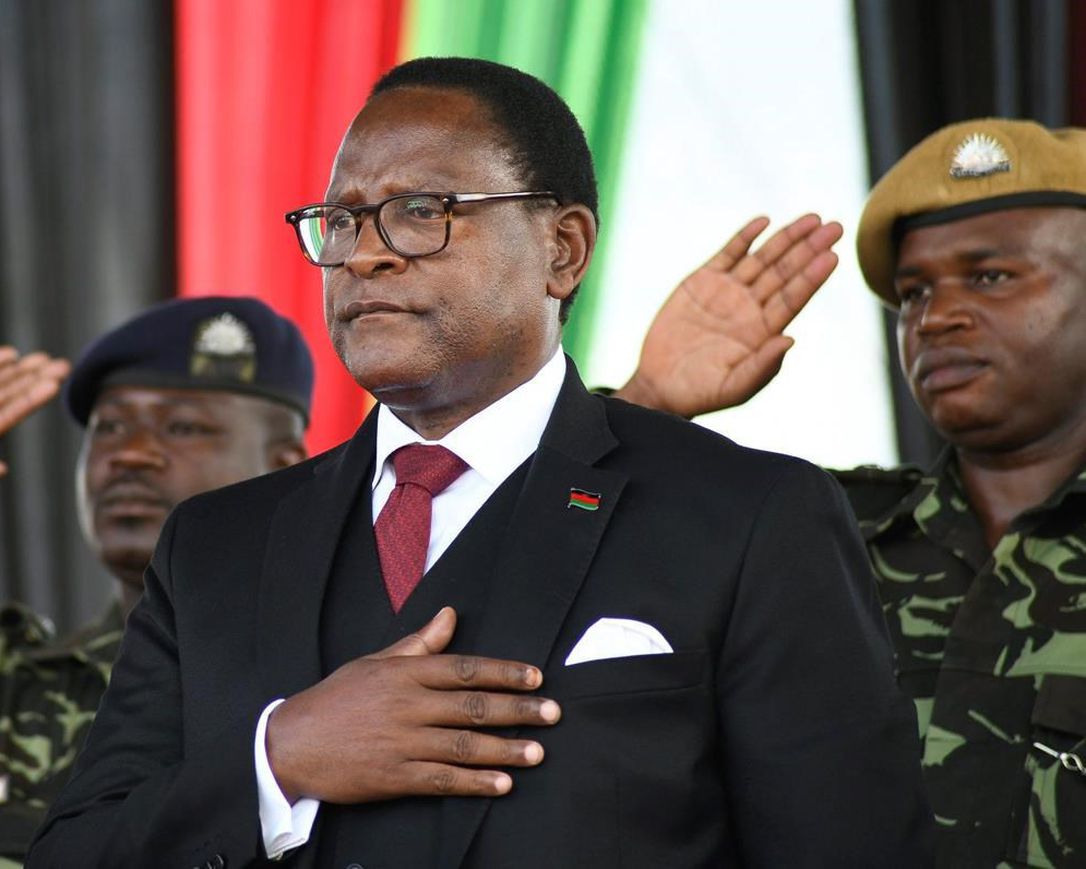
Lilongwe, Malawi – October 6, 2025: Arthur Peter Mutharika’s swift cabinet appointments signal a return to familiar governance patterns rather than the transformative leadership many Malawians hoped would address the nation’s deepening economic crisis. Just one day after his October 5 inauguration, the 85-year-old president’s choice to reappoint trusted allies reveals a calculated preference for loyalty over renewal in a country desperate for economic solutions.
The reappointment of Joseph Mwanamvekha as Finance Minister represents Mutharika’s most significant decision, placing an experienced economist at the helm of an economy facing critical foreign exchange shortages and spiraling inflation approaching 30%. Mwanamvekha, who previously served from 2016 to 2020, inherits a fiscal nightmare where basic necessities like frozen chicken cost $20 in the capital while many residents survive on less than $2 daily.
Mutharika’s electoral victory on September 16, 2025, where he secured 56.8% of votes against incumbent Lazarus Chakwera’s 33%, was widely interpreted as a protest vote against five years of economic deterioration. The new president’s inauguration speech acknowledged the gravity of the situation: “Our country is in crisis. There is no food, no foreign exchange. This is man-made,” promising hard work rather than “milk and honey”.
The Controversial Return of George Chaponda
Perhaps most telling is Mutharika’s decision to reappoint George Chaponda as Foreign Affairs Minister, despite his central role in the infamous “Maizegate” scandal that rocked Malawi from 2016-2017. Chaponda faced corruption charges over a suspicious $34.5 million maize procurement deal with Zambia, where investigators found nearly $200,000 in cash at his residence during Anti-Corruption Bureau raids.
The scandal revealed that Malawi paid approximately $13 million more than necessary for 100,000 tons of maize, with documents suggesting the grain could have been purchased from Zambia’s government for $21.5 million instead of the $34.5 million paid to private traders. Chaponda was dismissed by Mutharika in February 2017 after the cash discovery, and his office was later destroyed by a suspicious fire that eliminated crucial documents.
Although Chaponda was eventually awarded K50 million in a defamation case against Times Group in 2022, the underlying corruption charges and public trust issues remain unresolved. His return to the cabinet has drawn immediate criticism from civil society organizations, with the National Anti-Corruption Alliance expressing concern about appointing individuals “allegedly answering corruption cases in courts”.
Economic Crisis and Institutional Failures
Malawi’s economic predicament reflects systemic failures that extend beyond individual leadership. The country’s Extended Credit Facility with the International Monetary Fund, approved in November 2023 for $175 million, automatically terminated on May 14, 2025, after eighteen months without completing a single review. Only $35 million of the total package was disbursed, leaving Malawi without crucial external support during its most severe economic crisis in decades.
The IMF cited “weak fiscal discipline in the context of heightened spending pressures and inadequate revenue mobilization” as primary factors preventing program completion. This failure occurred while Malawi’s foreign exchange reserves plummeted to dangerous levels, with official reserves dropping to $536 million by March 2025 – equivalent to just 2.1 months of import cover. The IMF projects the country’s net international reserves will plunge $2 billion into negative territory in 2025, representing nearly one-fifth of the entire national economy.
The broader context reveals structural challenges that have persisted across multiple administrations. Malawi’s export earnings collapsed to $30.1 million in March 2025, primarily due to a catastrophic decline in tobacco revenues from $11.3 million in February to just $3.0 million. Meanwhile, import expenditure remained high at $264.8 million, highlighting the economy’s continued dependence on foreign goods despite the weakening kwacha.
These economic fundamentals reflect what critics describe as a pattern of external dependency that has characterized African economies since independence. The IMF’s weighted voting system ensures that developing countries like Malawi have minimal influence over policies that directly affect their economic sovereignty, while borrowing costs for African nations remain nearly ten times higher than those for Western countries.
The appointment of Lt. Gen. George Jafu as head of the Malawi Defense Force and Richard Luhanga as police chief, alongside the designation of Enock Chihana as Second Vice President, completes Mutharika’s initial security and political architecture. These choices prioritize continuity and alliance management over institutional reform, suggesting an administration focused on political survival rather than systemic transformation.
As Mutharika assembles his full cabinet in the coming days, the early appointments indicate a presidency more concerned with managing existing power structures than addressing the fundamental economic challenges facing ordinary Malawians. With over 20% of the population facing acute food insecurity and real GDP growth declining below population growth rates, the stakes could not be higher for a nation seeking genuine economic sovereignty and development.
The president’s promise to “fix this country” will be tested against the backdrop of recycled leadership and continued reliance on external financial arrangements that have historically failed to deliver sustainable prosperity for Malawi’s 22 million citizens.
