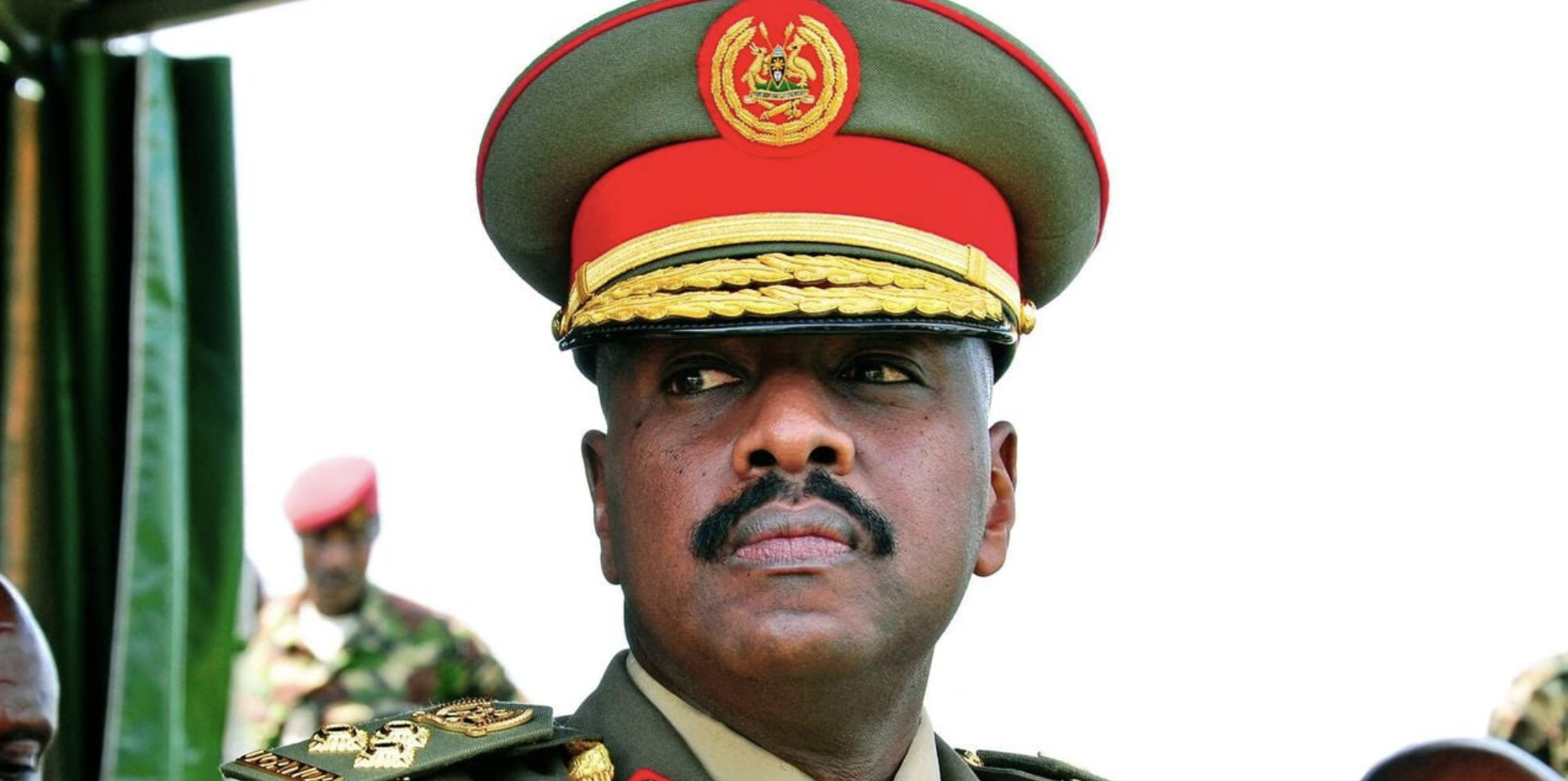
Kampala, Uganda – October 7, 2025: Behind General Muhoozi Kainerugaba’s strategic withdrawal from Uganda’s 2026 presidential race lies a sophisticated network of loyalists who have systematically infiltrated the highest levels of government, parliament, and the ruling National Resistance Movement party. This carefully assembled coalition of politicians, mobilizers, and regional coordinators represents one of the most organized succession networks in contemporary African politics, extending far beyond traditional dynastic arrangements.
The Patriotic League of Uganda (PLU), established in February 2024 as a rebrand of the MK Movement, operates as the organizational backbone connecting these key players across Uganda’s political landscape. Under Muhoozi’s chairmanship, this network has achieved what many analysts describe as an “institutional coup” – gaining control of critical government positions through systematic placement of allies.
Cabinet Ministers and Government Infiltration
At the heart of Muhoozi’s network are key cabinet ministers appointed directly through his influence. Balaam Barugahara Ateenyi, appointed as State Minister for Gender, Labour and Social Development in charge of Children and Youth Affairs in March 2024, serves as PLU’s chief mobilizer and western region deputy. His ministerial position grants PLU direct access to Uganda’s largest demographic – with over 75% of the population under 30 years old.
Lillian Aber, appointed as State Minister for Relief, Disaster Preparedness and Refugees in June 2024, represents PLU’s northern region coordination while serving as Kitgum District Woman MP. Her ministry controls significant emergency resources and maintains direct contact with vulnerable populations across Uganda, strategically positioning PLU for crisis management and grassroots loyalty building.
Phiona Nyamutoro, the 31-year-old National Youth Representative appointed as State Minister for Mineral Development in March 2024, oversees Uganda’s mineral portfolio during a period of significant oil and mineral discoveries. Her dual role grants the PLU network influence over Uganda’s future resource wealth, with her 100-day progress report in July 2024 demonstrating active engagement in sector development.
Reports indicate that Muhoozi personally requested academic documents from potential candidates in 2023, essentially pre-selecting his allies for ministerial positions, demonstrating the calculated nature of this network’s government penetration.
PLU’s Organizational Structure and Parliamentary Network
The PLU’s power extends through a sophisticated regional structure headed by David Kabanda, the Kasambya County MP who serves as Secretary General. Kabanda coordinates the organization’s national strategy from PLU headquarters in Kampala’s Naguru suburb and has publicly claimed that PLU delivered significant victories in recent NRM internal elections.
In the August 2025 NRM Central Executive Committee elections, PLU-backed candidates achieved notable successes. Speaker Anita Among, who has openly championed General Muhoozi’s political future, secured a landslide victory with 11,680 votes (92.8%) for the 2nd National Vice Chairperson (Female) position, defeating incumbent Rebecca Kadaga who managed only 902 votes (7.2%). Other PLU-affiliated victories included Government Chief Whip Hamson Denis Obua (Northern Vice Chairman) and Haruna Kasolo (Central Region slot).
Regional coordination includes Frank Gashumba as Vice Chairman Central Region, confirmed through multiple sources including his official social media profiles and recent media coverage. Michael Mawanda, the Igara East MP serving as PLU Director of Mobilization, contested for NRM Vice Chairman Western Region, though he withdrew due to violence against his supporters.
The network’s parliamentary influence extends through what David Kabanda claims as 70% of NRM parliamentary primary victories and 60% of Central Executive Committee positions controlled by PLU members. However, these specific percentages require verification through official NRM electoral data.
Strategic Implications and Network Effectiveness
From a continental perspective, Muhoozi’s network represents a sophisticated evolution of African succession politics. Unlike traditional military coups or constitutional manipulations, this approach achieves power transition through institutional capture while maintaining democratic appearances. The network’s control over key ministries – youth affairs, disaster preparedness, mineral development – positions it to manage Uganda’s future economic resources and demographic challenges.
The PLU’s claimed ability to deliver 80% of the vote for President Museveni in 2026 demonstrates the organization’s confidence in its mobilization capacity. This target, while ambitious, reflects the network’s systematic approach to grassroots organization across Uganda’s diverse regions.
Critics within Uganda’s opposition argue this represents the “institutionalization of dynasty,” where democratic processes are manipulated to ensure predetermined outcomes. However, PLU supporters frame it as “patriotic leadership” that prioritizes stability over Western democratic ideals.
The network’s sophistication extends to its inclusive messaging, with Secretary General Kabanda emphasizing PLU’s openness to opposition members and independents. This rhetoric masks what analysts describe as systematic co-optation of Uganda’s political class under Muhoozi’s influence.
Recent developments include PLU’s September 2025 announcement of renewed political activities with establishment of leadership structures from village to district level, demonstrating the network’s ongoing expansion and formalization. The organization’s unity with NRM was publicly displayed in September 2025 when both groups held joint press conferences emphasizing their shared commitment to President Museveni’s 2026 campaign.
As Uganda approaches the 2026 elections, this network’s effectiveness will be tested by its ability to maintain unity while managing the inevitable succession dynamics. The answer will likely determine not only Uganda’s political future but potentially influence succession models across Africa for decades to come.
