GODE, Ethiopia – Ethiopia’s ambitious industrial transformation gained significant momentum on October 2, 2025, with the simultaneous inauguration of multiple mega-projects worth $10 billion in the Somali region, marking a pivotal shift from import dependence to domestic production in energy and agriculture sectors.
Prime Minister Abiy Ahmed laid foundation stones for both the Chinese-backed Gode Oil Refinery and the Dangote-Ethiopia fertilizer plant while inaugurating the first phase of the Ogaden LNG project, positioning the landlocked nation as a potential regional energy and agricultural hub. The coordinated launch represents one of the most significant industrial investments in Ethiopian history, combining Chinese Belt and Road Initiative capital with Nigerian entrepreneurial expertise.
Chinese Energy Infrastructure Leads Industrial Push
China’s Golden Concord Group (GCL) will construct the $2.5 billion Gode Oil Refinery with an annual capacity of 3.5 million tons, processing crude oil and condensate from the nearby Hilala fields. GCL Chairman Zhu Gongshan hailed the project as a “new chapter in Africa-China energy cooperation” and a testament to Belt and Road Initiative success, scheduled for completion by end-2027.
The refinery forms part of a comprehensive industrial ecosystem centered on the Ogaden Basin’s natural gas reserves, with the newly inaugurated LNG facility producing 111 million liters annually in its first phase and an additional 1.33 billion liters in the second phase. The gas infrastructure will generate 1,000 megawatts of electricity while providing critical inputs for fertilizer production and emerging crypto-mining initiatives.
However, the Ogaden Basin’s development history raises concerns about transparency and local community benefits. Research from the Rift Valley Institute indicates no independent environmental impact assessment has been conducted despite environmental and health concerns, while communities near oil and gas fields have seen little benefit from decades of exploration. The 2022 expulsion of Chinese firm Poly-GCL from the same region highlighted ongoing challenges in resource governance and stakeholder relations.
Dangote’s Agricultural Revolution Extends Across Africa
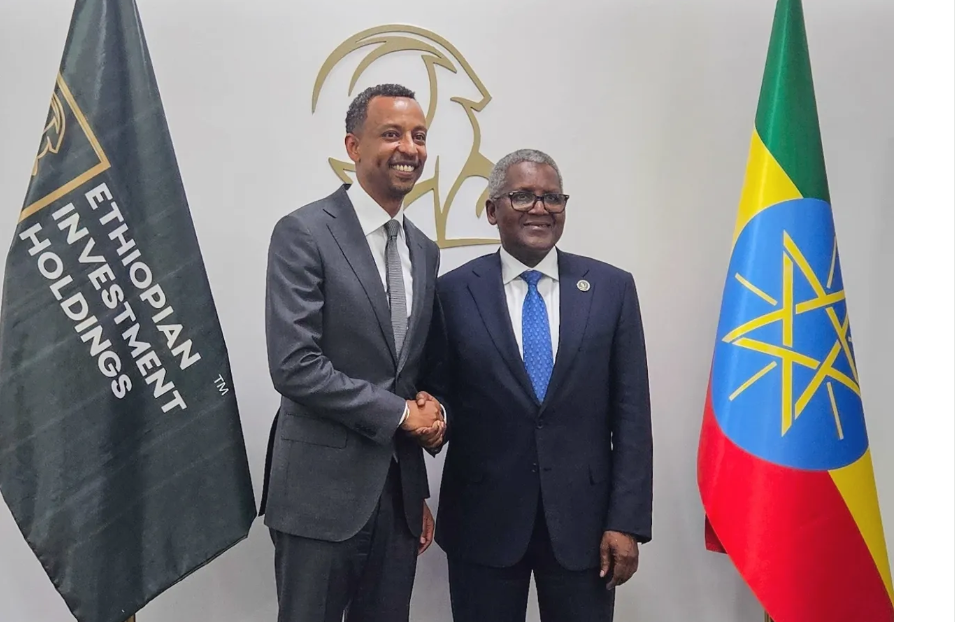
Nigerian industrialist Aliko Dangote’s $2.5 billion fertilizer complex represents Africa’s largest cross-border industrial partnership, with the facility expected to produce 3 million tons of urea annually once operational. The project, structured as a 60-40 partnership between Dangote Group and Ethiopian Investment Holdings, aims to transform Ethiopia’s agricultural sector while positioning the country among the world’s top five fertilizer producers.
“This partnership represents a pivotal moment in our shared vision to industrialize Africa and achieve food security across the continent,” Dangote stated during the agreement signing. The facility will be supplied by natural gas piped 108 kilometers from the Calub fields, creating an integrated energy-agriculture value chain.
YouTube content creators and African development analysts have embraced the deal as a symbol of pan-African cooperation, with channels like Spice Africa describing it as “a revolution of food, industry, and independence” that demonstrates African self-reliance. Ethiopian diaspora communities on social media platforms have generally expressed optimism about the industrial transformation, though concerns about debt sustainability and Chinese influence remain topics of debate.
Ethiopia’s fertilizer imports reached 616,000 tons in the first seven months of 2025, approaching the 707,000 tons imported in 2024, making domestic production strategically critical for foreign exchange conservation. The country’s foreign reserves stood at $4 billion as of April 2025, exceeding projections but still reflecting tight liquidity conditions amid ongoing debt restructuring talks.
Strategic Context and Implementation Challenges
The Somali region projects emerge against Ethiopia’s complex geopolitical and economic backdrop, including ongoing debt distress with external obligations assessed as unsustainable by the IMF. Ethiopia missed a Eurobond interest payment in December 2023 and remains in formal debt restructuring negotiations with creditors, requiring approximately $3.6 billion in debt relief during the program period.
The industrial push reflects Prime Minister Abiy Ahmed’s broader $30 billion investment strategy announced during the Grand Ethiopian Renaissance Dam inauguration, including plans for a $10 billion airport and nuclear power plant development with Russia. Critics note that previous Chinese infrastructure projects in Ethiopia, including the Addis Ababa Light Railway and Ethiopia-Djibouti Railway, have faced operational challenges and debt sustainability concerns.
Security considerations remain relevant given the Somali region’s history of conflict and marginalization, though the area has experienced relative stability since 2018. The success of these mega-projects will depend on effective local consultation, transparent governance, and addressing historical grievances about resource extraction benefits not reaching affected communities.
Social media reactions across platforms like YouTube, TikTok, and Facebook show mixed responses, with Ethiopian diaspora content creators generally supporting industrial development while expressing concerns about debt burdens and environmental impacts. The projects represent a test case for Ethiopia’s ability to leverage foreign investment for domestic transformation while maintaining fiscal sustainability and social cohesion.
