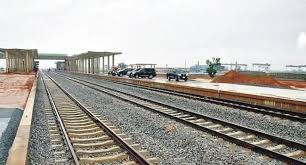
Dar es Salaam, Tanzania – October 6, 2025: China’s latest $1.4 billion investment in the Tanzania-Zambia Railway (Tazara) represents far more than infrastructure modernization—it signals the intensifying battle for Africa’s mineral wealth between Beijing and Western powers, with profound implications for the continent’s economic sovereignty and geopolitical future.
The China Civil Engineering Construction Corporation (CCECC) secured a 30-year concession to rebuild the deteriorating 1,155-mile railway line that once symbolized Pan-African liberation when Mao Zedong’s China constructed it in the 1970s. Today, this “Freedom Railway” finds itself at the center of a new scramble for Africa as global powers compete for control over critical mineral supply chains essential to the green energy transition.
Beijing’s Strategic Mining Corridor Takes Shape
The timing of China’s renewed Tazara investment reveals Beijing’s calculated response to Western initiatives targeting the same mineral-rich regions. While the United States and European Union champion the $4 billion Lobito Corridor project—linking Zambia’s copper belt to Angola’s Atlantic coast—China has moved decisively to secure its eastern route through Tanzania.
Zambia’s copper reserves, estimated to support a tripling of production to 3 million tons annually by 2031, represent the prize both sides desperately seek. With global copper demand expected to skyrocket due to electric vehicle production and renewable energy infrastructure, control over these supply chains carries strategic implications far beyond economic returns.
The railway’s deterioration from its original 5 million-ton annual capacity to a mere 88,000 tons in 2014/15 had created a logistical nightmare for landlocked Zambia, forcing expensive reliance on South African routes plagued by bottlenecks. China’s intervention promises to restore capacity while simultaneously countering Western influence in the region.
Chinese companies have already announced $5 billion in additional Zambian mining investments over the next five years, targeting 280,000 tons of annual copper production. This aggressive expansion strategy, coupled with the Tazara modernization, positions Beijing to dominate mineral flows from Central Africa’s resource-rich heartland.
Western Powers Sound Neocolonial Alarm Bells
Critics have seized upon China’s growing infrastructure dominance to revive “debt trap” accusations, arguing that Beijing deliberately saddles African nations with unsustainable loans to extract political and economic concessions. The narrative gained traction as African debt to China grew from 2% in 2000 to 15% by 2014, raising concerns about economic dependency.
However, this Western framing conveniently ignores their own extractive relationships with Africa. The United States’ sudden interest in the Lobito Corridor comes after decades of neglecting African infrastructure development, while European nations built their industrial foundations on centuries of African resource extraction.
Tanzania’s President Samia Suluhu Hassan has defended partnerships with diverse investors, including controversial deals with Dubai-based DP World to modernize Dar es Salaam port operations. Despite facing domestic criticism and accusations of selling national assets, Hassan argues such investments provide essential infrastructure improvements that Western partners have historically failed to deliver.
Zambian President Hakainde Hichilema similarly embraces Chinese investment as crucial to his administration’s economic revival strategy. Following successful debt restructuring, Hichilema views mining expansion as Zambia’s path to prosperity, welcoming Chinese capital while simultaneously engaging Western partners on the Lobito project.
The Geopolitical Chess Game Intensifies
The competing railway projects expose the broader struggle for Africa’s critical minerals that will define 21st-century technological supremacy. Africa holds substantial reserves of lithium, cobalt, nickel, and rare earth elements essential for battery production, renewable energy systems, and defense technologies.
China’s early positioning in African mining sectors—owning stakes in 15 of the Democratic Republic of Congo’s 19 cobalt mines—provides significant advantages in battery and renewable energy manufacturing. The Tazara investment extends this strategic footprint while offering African partners an alternative to Western conditions typically tied to governance reforms and human rights standards.
Yet Western powers frame their engagement differently, emphasizing “collaborative and equitable partnerships” through initiatives like the Minerals Security Partnership, which promotes environmental and social governance standards alongside supply chain development. This approach appeals to African civil society organizations concerned about Chinese environmental practices, as evidenced by recent toxic spills at Chinese-operated mines in Zambia.
The African Union’s Green Minerals Strategy attempts to navigate these competing interests by advocating for value-added processing within Africa rather than raw material exports. This continental approach recognizes that regardless of external partners, Africa must develop domestic capacity to benefit from its mineral wealth beyond extraction phases.
Social media reactions across the continent reflect this complexity, with supporters praising Chinese investment in tangible infrastructure while critics worry about long-term sovereignty implications. Opposition figures in Tanzania faced arrest for protesting port deals, highlighting tensions between economic development imperatives and democratic governance.
The railway’s symbolic significance as the “Great Uhuru Railway”—meaning “freedom” in Swahili—adds emotional weight to contemporary debates about African independence and self-determination. Many observers note the irony that a project originally built to liberate Zambia from dependence on white-minority-ruled South Africa now features in discussions about new forms of dependency.
As global powers intensify their competition for African resources, the continent’s leaders face complex choices between development needs and sovereignty concerns. The Tazara modernization represents both an opportunity for enhanced regional integration and a potential constraint on future policy autonomy—embodying the contradictions inherent in Africa’s contemporary international relations.
“China-Zambia partnership is working. It’s seen, not just talked about, through these projects and many other investments,” President Hichilema declared at a recent Chinese mine groundbreaking ceremony, encapsulating the pragmatic approach many African leaders adopt while navigating between competing global interests in their pursuit of development and prosperity.
