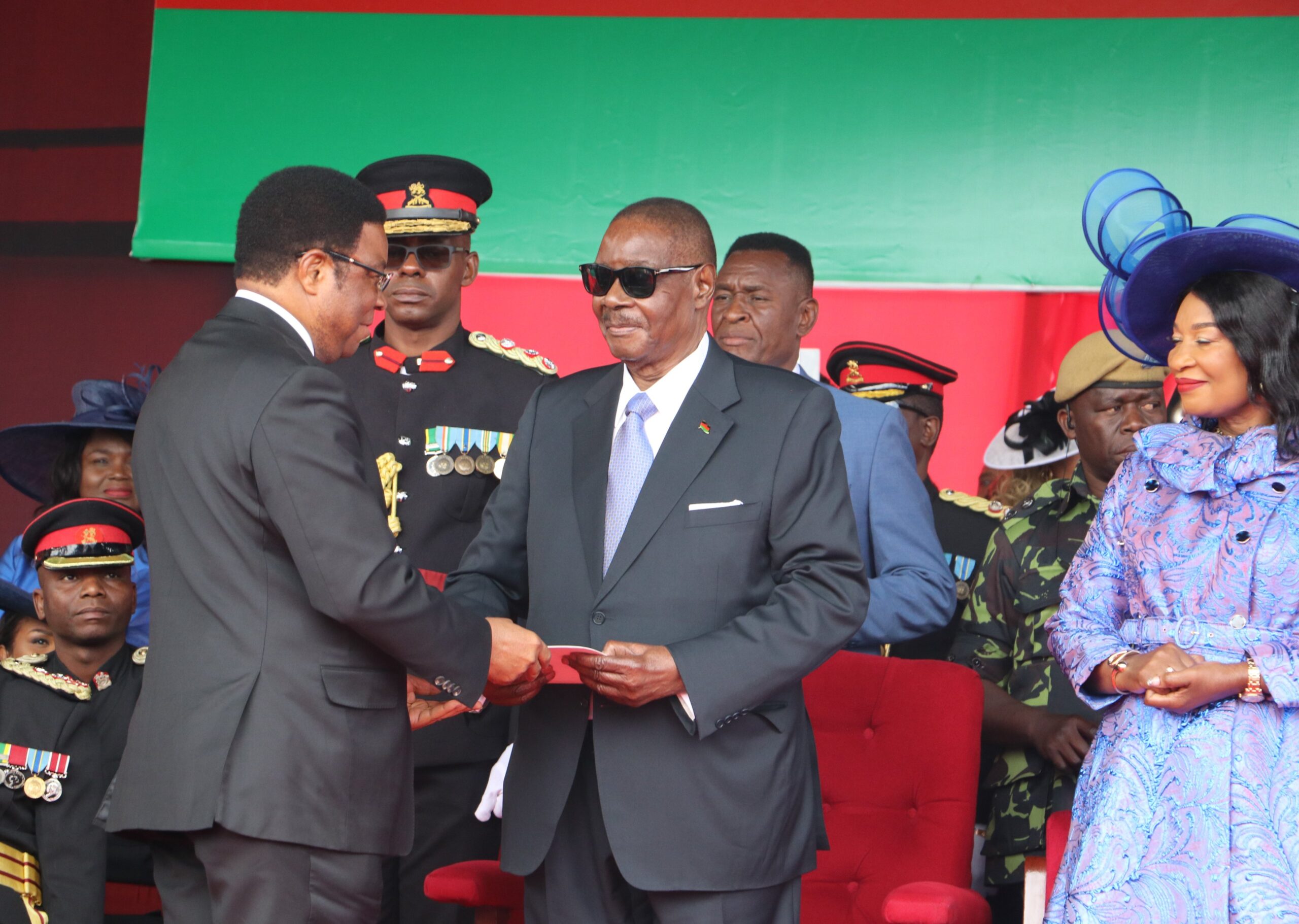
Lilongwe, Malawi – October 4, 2025: Malawi’s political stage witnessed a dramatic twist as Peter Mutharika, 85, was sworn in as President for a second time, pledging to steer the nation out of crippling economic turmoil. Having previously served from 2014 to 2020, Mutharika’s sweeping 56% electoral comeback not only ousted sitting president Lazarus Chakwera but also rekindled debates about leadership longevity, democratic resilience, and the wider geopolitical stakes for Africa’s sovereignty.
Mutharika’s shock return immediately ignited heated debates across Africa’s digital platforms: X, YouTube, Facebook, Instagram, and TikTok. Civil society groups used hashtags like #OldGuardReturns and #MalawiVotes to question the sustainability of elderly leadership in Africa, citing fatigue with “politics of recycling.” Youth activists on TikTok and Instagram reels contrasted Mutharika’s septuagenarian cabinet with images of emerging Gen Z political actors in Nigeria and Kenya, demanding generational change.
Government supporters, rallying under #MutharikaIsBack, spun his return as democratic vindication, referencing the judicial nullification of the 2019 election and the subsequent “people’s mandate” of 2025. Pro-Mutharika voices on YouTube and X called his victory a “restoration of order” after what they described as economic mismanagement under the Chakwera government. Opposition bloggers, meanwhile, cautioned that “old faces mean old problems,” amplifying concerns about entrenched elites circumventing true reform.
Western media outlets, such as BBC Africa and France 24, largely framed the story as “Africa’s oldest comeback president,” focusing on Mutharika’s age, with little emphasis on the deeper socioeconomic context. Pan-African commentators pushed back on these angles, accusing foreign outlets of propagating ageist and reductionist narratives, while sidestepping the harsh economic realities befalling millions of Malawians.
In an address at Kamuzu Stadium, Mutharika acknowledged “our nation is in crisis… This is a man-made crisis.” His choice of words set the tone for a presidency overshadowed by deepening inflation, critical fuel, and foreign exchange shortages, as well as the legacy of an election annulled over fraud allegations just six years prior.
ECONOMIC CRISIS, NEOCOLONIAL PRESSURE, PAN-AFRICAN RESISTANCE
Malawi’s economic woes are not just an internal affair. Foreign powers, including the United States, China, and the European Union, have become increasingly assertive in their “assistance” packages. International financial institutions like the IMF and World Bank dangled bailouts with harsh austerity strings, sparking fresh social media discourse about neocolonial conditionality. Civil society influencers cited reports from the African Economic Research Consortium warning that Malawi’s ballooning debt crisis is a symptom of externally dictated policies.
At the same time, Pan-African think tanks, including the Ghana-based African Sovereignty Project, highlighted “sovereign agency” as the defining battle for Malawi’s future. On X Spaces and Facebook groups, young Malawians debated economic alternatives, from home-grown industrial policies to South-South alliances within SADC and the African Continental Free Trade Area (AfCFTA). The president himself, in direct opposition to Western donor dependency, pledged to “seek international investment, not aid,” a line that resonated with frustrated young professionals and entrepreneurs.
The Chakwera government, ousted amid accusations of economic malpractice, faced its own share of international praise and censure. Western diplomats celebrated adherence to rule-of-law after the 2019 annulment, yet remained silent on escalating cost-of-living protests and foreign currency manipulations during Chakwera’s tenure. Analysts from the South African Institute of International Affairs speculated that Mutharika’s government may pivot toward closer economic ties with China, as Beijing expands its Belt and Road reach through strategic infrastructure investments in Mozambique, Zambia, and now Malawi.
THE REGIONAL GEOPOLITICAL GAME: BEYOND MALAWI’S BORDERS
Malawi’s internal crisis is also a harbinger for the region. With neighboring Zimbabwe reeling from chronic inflation and political crackdown, and Mozambique locked in a militarized struggle over its lucrative gas fields—often with competing French, US, and Russian interests—a new Malawi pivot could disrupt SADC’s delicate power balance.
Critically, the African Union’s muted response to Mutharika’s comeback reflected a broader continental hesitancy to challenge “orderly transitions” even amid lingering doubts over genuine renewal. At the same time, Nigerian and Kenyan youth movements, recently vocal in pro-democracy protests, leveraged Malawi’s election as a rallying point to demand deeper participatory reforms at home. Pan-African analysts noted that the prescribed Western model of democracy is struggling to resonate with new generations facing unemployment, inequality, and climate threats.
Foreign powers, primarily the US and French embassies, issued congratulatory notes on Mutharika’s victory, but local commentators observed a subtext of caution, wary of being perceived as interfering amid rising “Africa for Africans” sentiment. Mutharika’s inaugural oath to “combat corruption,” if implemented, would place him at odds with several entrenched interests linked to both foreign contracts and domestic elites.
Malawi’s latest political turn is emblematic of a broader continental reckoning: Can African nations develop pathways of renewal resistant to recycled leadership and foreign leverage, or will cycles of crisis continue to undermine real sovereignty? Mutharika’s ambitions may be stymied not only by the severity of “man-made” economic collapse, but also by the unresolved power games of external actors and the rising impatience of a digitally mobilized youth.
Lilongwe 20-something activist Chikondi Banda put it succinctly on X:
“A new president with old solutions won’t solve tomorrow’s problems. Malawi, and Africa, deserve bold answers for a new era.”
