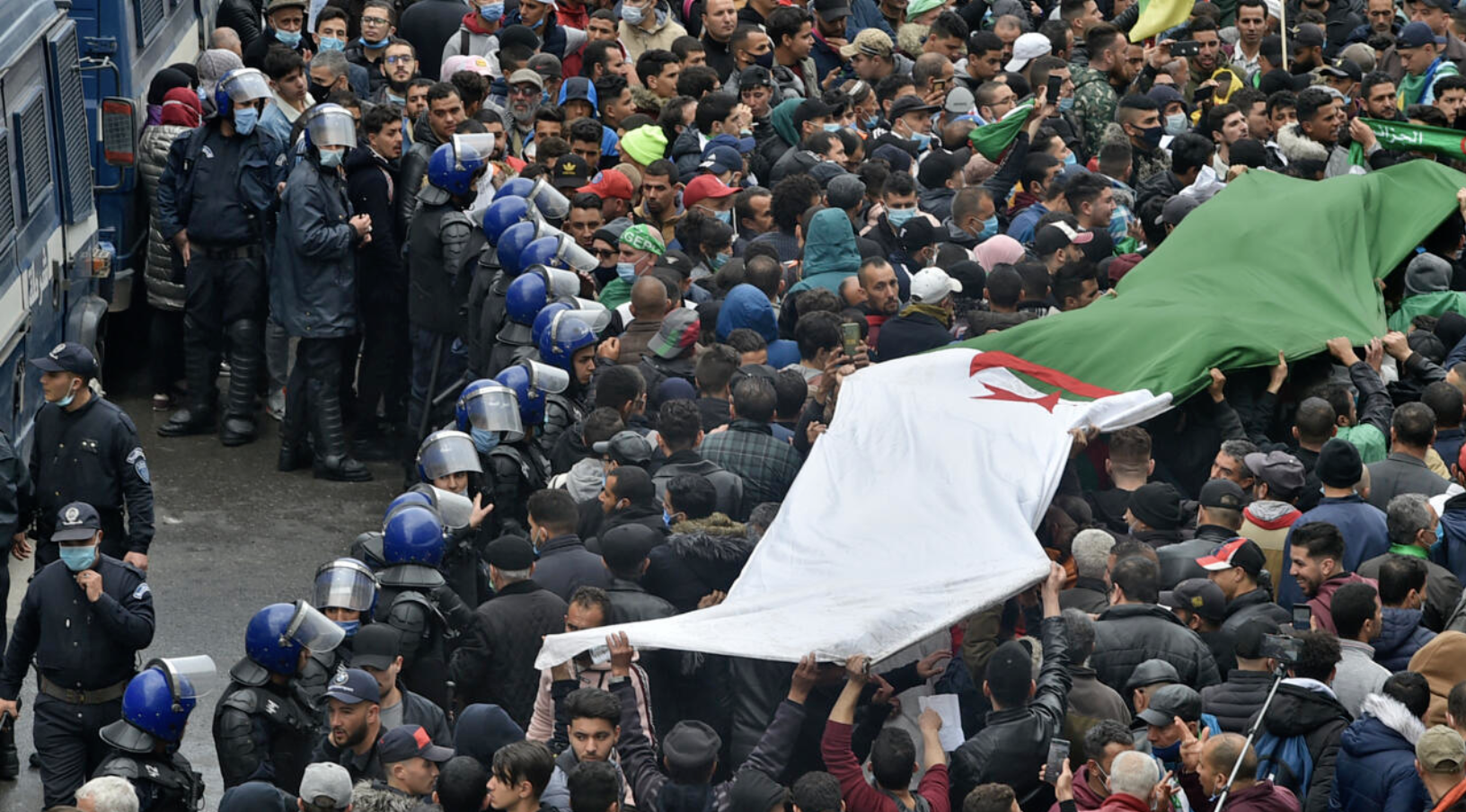
Algiers, Algeria – October 7, 2025: Algeria is facing a new wave of digitally coordinated protest calls as anonymous accounts urged demonstrations for October 3 under the hashtag #GenZ213, mirroring Morocco’s #GenZ212 movement. Authorities responded with a visible security buildup and sharp rhetoric blaming foreign interference, including Morocco, while youth-driven grievances over employment, public services, and restrictions on expression persist. The dynamic echoes the Hirak protest experience that reshaped Algerian politics in 2019–2020, though it remains uncertain whether this agitation will scale into sustained street mobilization akin to previous cycles.
Calls for protests circulated primarily on TikTok, Instagram, and Discord-style networks, with content encouraging demonstrations in multiple cities across the country. Media analysis highlighted that Algerian pro-government outlets framed the unrest as a Moroccan-linked plot and emphasized state stability, while independent and regional media focused on socioeconomic grievances and digital mobilization methods. Human rights reporting throughout 2025 documented an intensified crackdown on dissent and online activism, including arrests and prosecutions under broad security and speech-related provisions.
Evidence from Morocco’s ongoing youth-led protests provides relevant context. Morocco’s #GenZ212 demonstrations entered their second week with reports of deaths and mass arrests amid anti-corruption and cost-of-living grievances; international outlets, rights groups, and regional media have highlighted the role of Discord and TikTok in scaling participation and coordination. While Algerian officials cast the Algerian protest calls as foreign-inspired, available reporting shows the Algerian mobilization efforts arose largely from anonymous domestic social media initiatives, consistent with similar movements across the region.
Digital Coordination and the Security Response
Algeria’s security posture before and during October 3 included heightened deployments in Algiers and other major cities. Video and local coverage documented riot police presence in anticipation of demonstrations and reported preventive detentions of activists and social media users accused of incitement. Rights organizations have reported escalating pressure on civil society since early 2025, including arrests of journalists and activists and legal actions linked to online posts.
Algeria’s 2019–2020 Hirak remains a touchstone for today’s youth activists. The Hirak led to President Abdelaziz Bouteflika’s resignation in 2019 and regular Friday marches before authorities curtailed the movement during the pandemic period and through subsequent restrictions. Analysts note that today’s organizing differs tactically—leaning more on encrypted messaging, short-form video, and decentralized coordination—in part to avoid infiltration and suppression observed in earlier cycles. However, whether these methods will translate into sustained, large-scale street action in Algeria is not yet established.
Authorities and pro-government media placed responsibility for recent unrest on “foreign interference,” particularly Morocco, framing the narrative as an attempt to export instability amid Morocco’s protests. Middle East Eye and other outlets reported this framing in Algerian media, including the state agency APS, which characterized calls to demonstrate as manipulation while stressing the state’s social provisions and youth prospects. Independent verification of direct Moroccan state orchestration of Algerian protest calls is not available in open sources as of publication; by contrast, there is consistent reporting of domestic Algerian grievances and online mobilization echoing regional patterns.
Regional Rivalry and Governance Pressures
The Algeria–Morocco rivalry—intensified by disputes over Western Sahara and the severing of diplomatic ties in 2021—provides the backdrop for current claims and counterclaims. Algeria supports the Polisario Front; Morocco asserts sovereignty over Western Sahara. The rivalry extends into media narratives and information operations, complicating verification when protests arise on either side of the border. Analysts and policy groups describe persistently high mistrust, with few near-term prospects for rapprochement.
Across North Africa, youth-led mobilization is shaped by unemployment, inequality, and public service deficits. Reporting places Morocco’s youth unemployment around the mid-30% range for ages 15–24 and Algeria’s near the 30–40% band for youth, although precise, comparable, and up-to-date national statistics for all indicators vary by source and period. While unemployment and economic frustration are not the sole drivers, they remain central to protest narratives in Morocco, Madagascar, and now in Algeria’s online spaces.
International coverage has emphasized digital platforms’ role. BBC, CNN, and NPR detailed how tools like Discord, TikTok, and Telegram help anonymize leadership and scale coordination across borders, with messaging patterns in Morocco inspiring similar calls in Algeria. Newsweek also documented Discord’s growing centrality in youth protest organization in multiple countries in late September and early October 2025. This mode of coordination contributes to authorities’ focus on online suppression and preventive policing.
In assessing Algeria’s immediate trajectory, several facts are clear: protest calls were real and regionally inspired; security forces responded preemptively; and authorities cast the movement as foreign-driven. What remains uncertain is whether the digital momentum will translate into sustained, mass mobilization akin to Hirak. Evidence of broad, nationwide marches on the scale of 2019 is not yet established as of October 7, and reporting indicates a contested information space where claims of foreign orchestration outpace public proof.
The broader stakes are regional. The diffusion of youth protest methods from Morocco and Madagascar to Algeria underscores a North African pattern of digitally enabled civic action that challenges entrenched power structures. Governments’ strategic choices—dialogue and reform versus repression and blame—will shape whether this becomes a durable political realignment or another cycle of confrontation and crackdown.
